 (949) 644-0922
 Mon-Thu : 8:00 am - 5:00 pm
You’ll find practical options for teeth whitening in Newport Beach that fit your lifestyle and sensitivity needs, from in-office laser treatments to dentist-prescribed take-home kits. If you want a faster, reliably safe brightening with professional oversight, a licensed Newport Beach dental office usually gives the best balance of speed, safety, and lasting results.
They will explain why tooth color changes, how professional and at-home methods differ, and which approach suits coffee, wine, or age-related staining. Expect clear guidance on safety, cost, maintenance, and how to choose a local dentist so you can move forward with confidence.
Why a Brighter Smile Matters
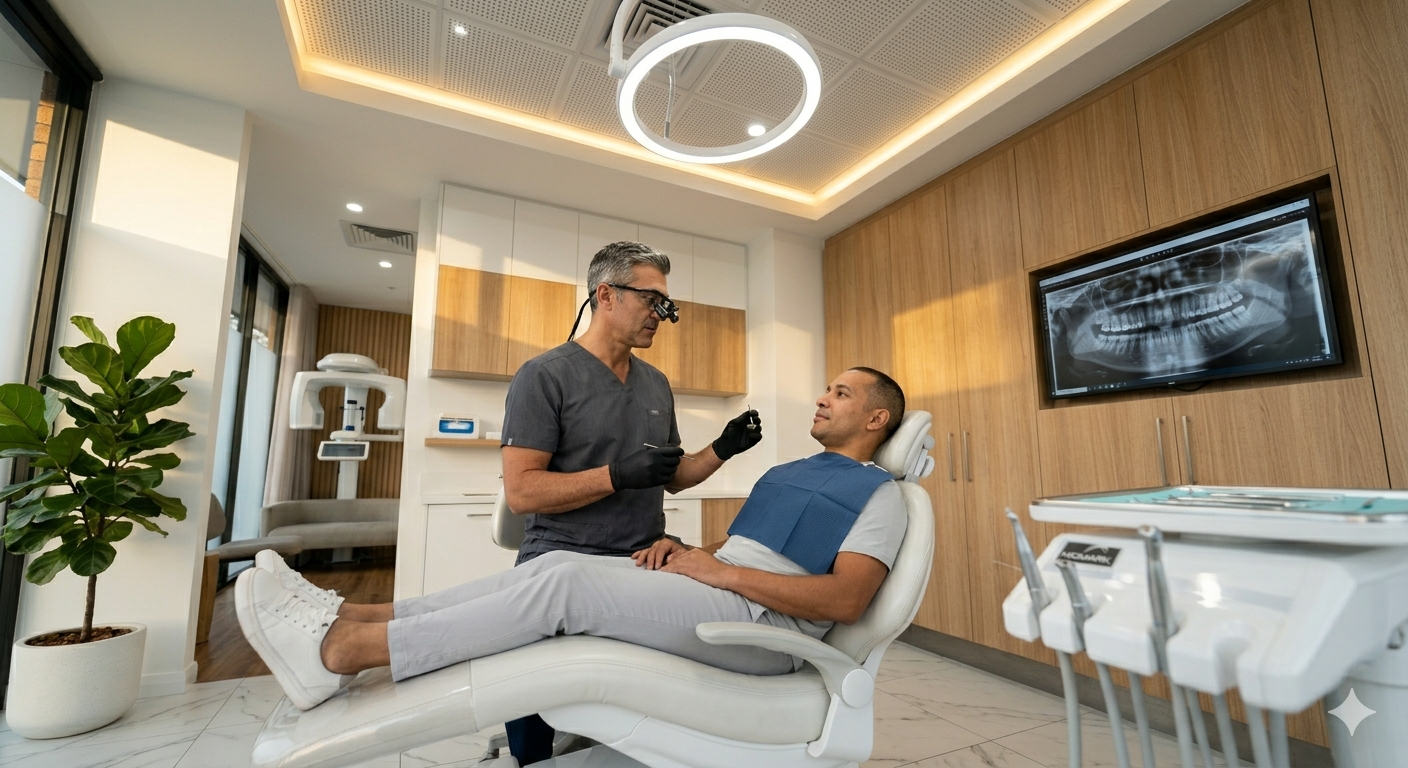
A whiter smile often changes how people present themselves and how others react. Improved appearance, better oral health habits, and practical benefits like clearer tooth visibility matter most.
Impact on Confidence and First Impressions
A visibly whiter smile can increase a person’s confidence in everyday situations such as job interviews, dates, and public speaking. Patients report smiling more freely after whitening, which affects perceived approachability and professionalism.
Smiles are noticed quickly; teeth color ranks high among visible cues when strangers form opinions. That immediate visual signal can influence hiring decisions, social responses, and first impressions in as little as a few seconds.
Confidence gained from whitening also encourages better social engagement. People who feel good about their teeth tend to maintain eye contact and use more open body language, both of which reinforce positive impressions.
Benefits Beyond Aesthetics
Whitening often motivates stronger oral hygiene. After treatment, patients commonly brush more carefully, floss consistently, and schedule regular cleanings to preserve results.
Some whitening protocols include a professional exam beforehand, which helps detect cavities, gum disease, or defective restorations that could affect outcomes. Addressing those issues improves overall dental health, not just tooth color.
Modern in-office and take-home systems provide controlled, evidence-based whitening with lower risk of sensitivity when supervised by a dentist. Tailored plans allow treatment for intrinsic stains and safe maintenance strategies, such as periodic touch-ups and enamel-safe toothpaste recommendations.
Understanding Teeth Discoloration
Teeth can darken for many specific reasons, ranging from daily habits to past dental work. Knowing what caused the change helps choose the right whitening method and set realistic expectations.
Common Causes of Staining
Extrinsic stains form on the enamel surface from routine exposures. Frequent coffee, black tea, red wine, cola, and tobacco leave pigmented films that accumulate in enamel microgrooves. Poor oral hygiene speeds buildup because plaque traps pigments and acids that roughen enamel.
Certain foods and supplements also tint teeth; for example, turmeric, beets, and iron supplements can leave noticeable staining with repeated exposure. Aging contributes as enamel thins, revealing the naturally darker dentin underneath.
Medications and lifestyle choices cause more persistent discoloration. Smoking and chewing tobacco deposit tar and nicotine that turn teeth yellow-brown. Chlorhexidine mouthrinses used long-term can cause brown staining. Occupational exposures (like certain metals) may also darken teeth.
Differences Between Intrinsic and Extrinsic Stains
Extrinsic stains sit on enamel and respond best to professional cleaning and whitening. Hygienist scaling, polishing, and in-office bleaching can lift surface pigments quickly. At-home trays and whitening strips also reduce these stains over weeks.
Intrinsic stains originate inside the tooth and resist surface whitening. Causes include childhood tetracycline antibiotic use, excessive fluoride during enamel formation (fluorosis), trauma that causes internal bleeding, and aging-related dentin darkening. These often require restorative options such as veneers, crowns, or internal bleaching performed by a dentist.
A simple diagnostic step distinguishes them: if polishing removes the discoloration, it was extrinsic. If the color remains after cleaning, the dentist will evaluate internal causes and recommend targeted treatments tailored to the tooth’s structure and the patient’s aesthetic goals.
Professional Whitening Options in Newport Beach
Professional whitening in Newport Beach focuses on safety, predictable shade improvement, and personalized care. Patients typically choose between quick in-office treatments or dentist-supervised take-home kits, each tailored to sensitivity, schedule, and desired shade.
In-Office Whitening Treatments
In-office whitening uses higher-concentration peroxide gels applied by a dental professional to achieve significant shade change in a single visit. The clinician isolates gums, applies the whitening gel, and may use light or heat activation depending on the system. Typical sessions last 45–90 minutes and can lighten teeth by several shades, which appeals to people with time constraints or special events.
Clinics monitor sensitivity closely and offer desensitizing agents during or after treatment. Those with restorations, thin enamel, or active dental issues receive an exam first to avoid complications. Costs vary by practice and technology; patients should ask about total expected shade change, chair time, and any follow-up touch-ups.
Take-Home Whitening Kits Supervised by Dentists
Dentist-supervised take-home kits combine custom-fit trays with professional-strength gel for gradual whitening at home. The dentist takes impressions or scans to fabricate trays that seal closely against enamel, reducing gel contact with gums and improving comfort. Patients typically wear trays for 30 minutes to overnight across 1–2 weeks, depending on prescribed strength and goals.
This option suits people who prefer lower daily sensitivity and more control over pace. Dentists provide usage instructions, sensitivity management (e.g., potassium nitrate toothpaste), and a follow-up appointment to assess results. Costs are generally lower than single-visit treatments and include professional oversight, which increases safety and predictability compared with over-the-counter products.
Comparing Results and Comfort
In-office treatments deliver faster, more dramatic shade changes but may cause short-term sensitivity for some patients. Take-home kits produce gradual results with typically less acute sensitivity and allow patients to stop or adjust wear time if discomfort occurs. Both approaches outperform OTC strips in concentration and supervision.
Choice depends on priorities: immediate results and single-visit convenience versus cost-effectiveness and gentler progression. Dentists in Newport Beach evaluate enamel thickness, restorations, and sensitivity history to recommend the best protocol and offer aftercare like touch-up gels or desensitizing treatments to maintain results.
Safety and Effectiveness of Whitening Treatments
Professional whitening in Newport Beach typically uses trusted concentrations of hydrogen peroxide or carbamide peroxide applied by dental staff or delivered via custom trays. Treatments vary in time, expected shade change, and follow-up care, so patients should choose options matched to their tooth sensitivity, restorations, and cosmetic goals.
What to Expect During the Process
Patients usually begin with a dental exam and cleaning to confirm oral health and identify fillings or crowns that won’t whiten. Dentists take shade photos and discuss realistic goals — commonly 4–8 shades lighter for in-office treatments and 2–4 shades for take‑home trays.
In-office procedures use a higher-peroxide gel (commonly 25–40% hydrogen peroxide) applied to teeth with soft-tissue protection and often a 30–60 minute activation cycle; total chair time is about 60–90 minutes. Take-home kits include custom-fitted trays and lower-concentration gel (10–20% carbamide peroxide) worn 30 minutes to overnight for 1–2 weeks depending on the product.
Both approaches require avoiding staining foods (coffee, red wine, tobacco) for 48–72 hours after treatment. Dentists provide written aftercare, recommend desensitizing toothpaste if needed, and schedule follow-up to assess shade stability and any required touch-ups.
Potential Side Effects and How to Minimize Them
The most common side effects are tooth sensitivity and mild gum irritation. Sensitivity occurs when peroxide penetrates enamel to dentin; it usually peaks within 24–48 hours and resolves within a week.
To minimize sensitivity, dentists may use lower-concentration gels, shorten wear time, or apply a topical desensitizer (e.g., potassium nitrate or fluoride varnish) before or after whitening. Patients should switch to a desensitizing toothpaste two weeks before and after treatment and avoid very hot or cold foods immediately after sessions.
Gum irritation typically results from gel contact with soft tissue and can be prevented by careful isolation during in-office treatment or correct tray fit for at-home use. Restorations (crowns, veneers, large fillings) do not whiten; dentists often discuss replacement or complementary treatments to match new tooth color. Patients with active decay, gum disease, or pregnancy should delay whitening until cleared by their dentist.
Choosing the Right Solution for Your Needs
This section helps readers assess whether whitening fits their mouth and how to tailor a plan to their lifestyle, budget, and dental history. It highlights medical considerations and practical choices that affect safety and results.
Evaluating Candidacy for Whitening
A dental exam determines if whitening is safe and likely to work. The dentist inspects for active decay, gum disease, exposed root surfaces, crowns, veneers, or fillings that will not bleach. These issues often require treatment or alternative approaches before whitening.
Tooth coloration matters: intrinsic stains from trauma or tetracycline respond poorly to over‑the‑counter products and may need professional in‑office bleaching or veneers. Yellow stains typically lighten well with peroxide treatments. The dentist also reviews sensitivity history and current medications that increase photosensitivity or oral dryness.
Patient expectations influence candidacy. Those seeking modest lightening might prefer take‑home trays, while people wanting immediate, dramatic change may choose in‑office systems. Age, pregnancy, and breastfeeding are contraindications for whitening, so clinicians recommend postponement in those situations.
Customizing Treatment Plans
Clinicians design plans around shade goals, enamel thickness, and daily habits. They select concentration and delivery: low‑concentration peroxide for at‑home trays (10–16% carbamide peroxide), higher concentrations for in‑office sessions (25–40% hydrogen peroxide), or a hybrid protocol combining both. Nighttime wear reduces chair time but can increase sensitivity risk.
Timing and frequency depend on stain severity and tolerance. The dentist prescribes session length—typically 30–60 minutes in office—or tray wear of 30 minutes to overnight for several weeks. They may include desensitizing agents (potassium nitrate or fluoride varnish) before and after treatment to minimize discomfort.
Cost, maintenance, and restorations factor into the final plan. The team reviews the lifespan of results, recommends touch‑up schedules (often every 6–12 months), and plans replacement or color‑matching for existing crowns or veneers. The goal: a safe, predictable protocol matched to oral health, schedule, and desired brightness.
The Role of At-Home Whitening Products
At-home whitening can brighten teeth affordably and conveniently, but results vary with product type and tooth staining. Patients should match expectations to the product strength and follow safety steps to reduce sensitivity and gum irritation.
Over-the-Counter Options
Over-the-counter (OTC) products include whitening toothpastes, strips, gels, and LED kits. Whitening toothpastes remove surface stains using mild abrasives and low‑concentration chemical agents; they help with coffee or tea stains but do not change intrinsic tooth color. Strips and paint-on gels typically contain 6–10% hydrogen peroxide or carbamide peroxide and provide noticeable whitening over 1–2 weeks for extrinsic and some mild intrinsic stains. LED kits pair a peroxide gel with light; evidence shows mixed benefit over gel alone, though some users report faster perceived results. Professional‑strength take‑home trays from a dentist use higher peroxide concentrations and custom trays for more uniform, predictable whitening than generic OTC trays. Users should check active ingredient concentration, wear time, and product expiration, and choose ADA‑recognized products when available.
Tips for Safe Use at Home
Start by visiting a dentist to assess whether whitening is appropriate, especially for crowns, veneers, or restorations that won’t change color. Read and follow the product instructions precisely: limit contact time, avoid overuse, and stop if severe pain or sustained gum inflammation occurs. Reduce sensitivity by using toothpaste for sensitive teeth and applying treatments less frequently or for shorter durations. Protect soft tissues by wiping excess gel from gums and using trays that fit properly; ill‑fitting trays increase irritation and uneven whitening. Maintain results by avoiding staining foods and beverages for 48 hours after treatment and by practicing good oral hygiene: brush twice daily, floss, and consider periodic touch‑ups per product guidelines. If results are uneven or complications arise, consult a dental professional.
Maintaining Your Results Long Term
Consistent, simple habits keep whitening results bright and reduce the need for re-treatment. Focus on targeted dietary choices and daily oral care that protect enamel and limit staining.
Diet and Lifestyle Recommendations
Limit or modify intake of high-stain foods and drinks. Reduce coffee, black tea, red wine, cola, soy sauce, and berry-heavy sauces to no more than one serving per day and rinse with water immediately after consuming them. When possible, use a straw for dark beverages to minimize contact with front teeth.
Quit or cut back on tobacco entirely; both smoking and vaping cause deep, persistent staining and harm gum health. If quitting feels difficult, ask the dental office about cessation resources and nicotine replacement options.
Schedule touch-up whitening every 6–18 months depending on habits and product type. Keep a small at-home maintenance kit (concentrated gel and custom tray or dentist-recommended whitening strips) for quick refreshes after travel or special events.
Stay hydrated and chew sugar-free gum with xylitol after meals to stimulate saliva. Increased saliva neutralizes acids and helps clear pigments before they bond to enamel.
Daily Oral Care Habits
Brush twice daily with a soft-bristled brush and a nonabrasive whitening toothpaste that has the ADA Seal. Use gentle circular strokes for two minutes, paying special attention to the visible front teeth where whitening is most noticeable.
Floss once daily to remove plaque and surface pigments between teeth. Use interdental brushes or water flossers if gaps or bridgework make flossing difficult; these clean areas a toothbrush can miss.
Rinse with an alcohol-free fluoride mouthwash nightly to strengthen enamel and reduce sensitivity. If sensitivity occurs after whitening, switch to a desensitizing toothpaste containing potassium nitrate and consult the dentist for a tailored approach.
Keep six-month professional cleanings and ask the hygienist to polish stained spots and assess enamel. Regular visits allow the dentist to recommend specific maintenance intervals and products based on the patient’s diet, restorations, and response to whitening.
What to Consider When Selecting a Newport Beach Dentist
Choose a dentist who combines proven cosmetic experience with modern equipment and a focus on patient comfort. Look for transparent pricing, clear treatment plans, and staff who explain options in plain language.
Experience with Cosmetic Procedures
They should show a clear track record of whitening treatments, including in-office Zoom or LED systems and take-home tray protocols. Ask for before-and-after photos of local patients and details on case complexity—whether they’ve handled tetracycline staining, restorations near veneers, or sensitivity-prone teeth.
Confirm the dentist’s continuing education in cosmetic dentistry and whitening safety. Look for certifications, membership in organizations like the American Academy of Cosmetic Dentistry, and how often they update techniques. Check reviews that mention results longevity and whether follow-up touch-ups were offered.
Discuss expected outcomes for your tooth shade and realistic timelines. A good practice explains contraindications (active decay, pregnancy, large existing restorations) and provides sensitivity-reduction strategies, such as desensitizing gels or gradual at-home regimens.
Modern Technology and Patient Comfort
Evaluate the clinic’s equipment: digital shade-matching devices, intraoral cameras, and modern whitening systems reduce guesswork and speed treatment. Confirm they use calibrated LED/laser systems with safety features and offer custom-fitted trays from digital impressions to improve fit and reduce gel waste.
Patient comfort measures matter. Look for topical anesthetics, noise-reducing headphones, adjustable chairs, and short appointment blocks to limit mouth fatigue. Ask whether they screen for tooth sensitivity and have protocols—potassium nitrate pastes, fluoride varnishes, or staged whitening—to minimize discomfort.
Check infection-control practices and chairside staff training for a smoother visit. Also confirm clear cost breakdowns: upfront fees for single in-office sessions, costs for custom trays, and policies for touch-up gels so there are no billing surprises.
Taking the Next Step Towards a Whiter Smile
Patients who want whiter teeth in Newport Beach should start with a professional evaluation. A dentist checks for sensitivity, existing restorations, and the cause of staining to recommend the safest, most effective option.
In-office whitening offers fast, controlled results and is ideal for busy schedules. It suits those seeking noticeable improvement in a single visit with chairside supervision.
At-home custom trays provide gradual, predictable whitening and work well for maintenance. They balance convenience with professional oversight and reduce the risk of uneven results or irritation.
Over-the-counter products can help with mild surface stains, but they vary in strength and safety. A dental consultation helps patients choose products that match their needs and avoid unnecessary sensitivity.
Common questions often involve safety, cost, and longevity of results. The dental team explains realistic expectations, timelines, and ways to extend whiteness through diet and oral hygiene.
A simple next step is scheduling a consult to discuss goals and any concerns. The practice encourages patients to ask about sensitivity management, treatment timelines, and financing options so they feel comfortable moving forward.
Frequently Asked Questions
This section answers common practical concerns about costs, treatment types, longevity, sensitivity, restorations, and stubborn stains. Each item gives clear steps patients can take and what to expect during and after professional whitening in Newport Beach, CA.
How much does professional teeth whitening typically cost, and what factors affect the price?
Professional in-office whitening in Newport Beach typically ranges from $400 to $1,200 per treatment depending on the practice. Factors that affect price include the dentist’s experience, the technology used (laser or light-accelerated systems), and whether the visit includes custom trays or follow-up gel.
Dental insurance rarely covers cosmetic whitening, so patients usually pay out of pocket. Additional costs can come from pre-treatment care like deep cleanings or replacing old restorations.
What’s the difference between in-office whitening and take-home whitening trays from a dentist?
In-office whitening delivers stronger bleaching agents applied and monitored by a dentist for faster, more uniform results—often one to two shades in a single visit. Take-home trays use lower-concentration gel in custom-fitted trays for gradual brightening over one to two weeks.
In-office treatment suits those needing immediate results for events. Take-home trays fit busy schedules and allow controlled, incremental whitening with periodic check-ins.
How long do teeth whitening results usually last, and how can I keep my smile bright?
Results commonly last six months to three years depending on diet and habits. Avoiding coffee, red wine, dark sodas, and tobacco slows re-staining.
Use touch-up gels in custom trays every few months or undergo a refresh appointment annually. Maintain good oral hygiene and routine cleanings to preserve brightness.
Will teeth whitening make my teeth sensitive, and what can I do to stay comfortable?
Mild to moderate sensitivity during and shortly after whitening is common, especially for people with thin enamel or exposed roots. Sensitivity typically peaks within 24–48 hours and then subsides.
Dentists may recommend potassium nitrate toothpaste, shorter application times, lower-concentration gels, or intervals between sessions. Using a fluoride rinse or desensitizing gel before and after treatment also reduces discomfort.
Is teeth whitening safe if I have fillings, crowns, or veneers?
Whitening bleaches natural tooth structure but does not change the color of existing fillings, crowns, or veneers. This can result in color mismatch if restorations are older or shaded differently.
Dentists evaluate restorations before whitening and may suggest replacing visible restorations after whitening to match the new shade. Patients should discuss restoration plans during the consultation.
What can I do if my teeth look stained even after whitening treatments?
If staining persists, the dentist will determine whether intrinsic stains, tetracycline discoloration, or aging restorations cause the issue. Options include deeper in-office treatments, internal bleaching for root-filled teeth, or restorative solutions like veneers or bonding.
Follow-up visits allow the dentist to tailor a combined approach—whitening plus cosmetic restorations—to achieve a uniform, natural-looking smile.