 (949) 644-0922
 Mon-Thu : 8:00 am - 5:00 pm
You’ll find that Invisalign in Newport Beach offers a discreet, comfortable way to straighten teeth without the look or feel of metal braces. If you want a near-invisible option that fits an active, image-conscious lifestyle while delivering predictable results, Invisalign is a strong choice in Newport Beach.
A local dental team explains how clear aligners move teeth gently over time, what to expect during treatment, and how to choose a provider who prioritizes comfort and long-term oral health. They also cover cost, financing, and practical tips for caring for aligners so the process fits easily into daily life.
How Invisalign Works
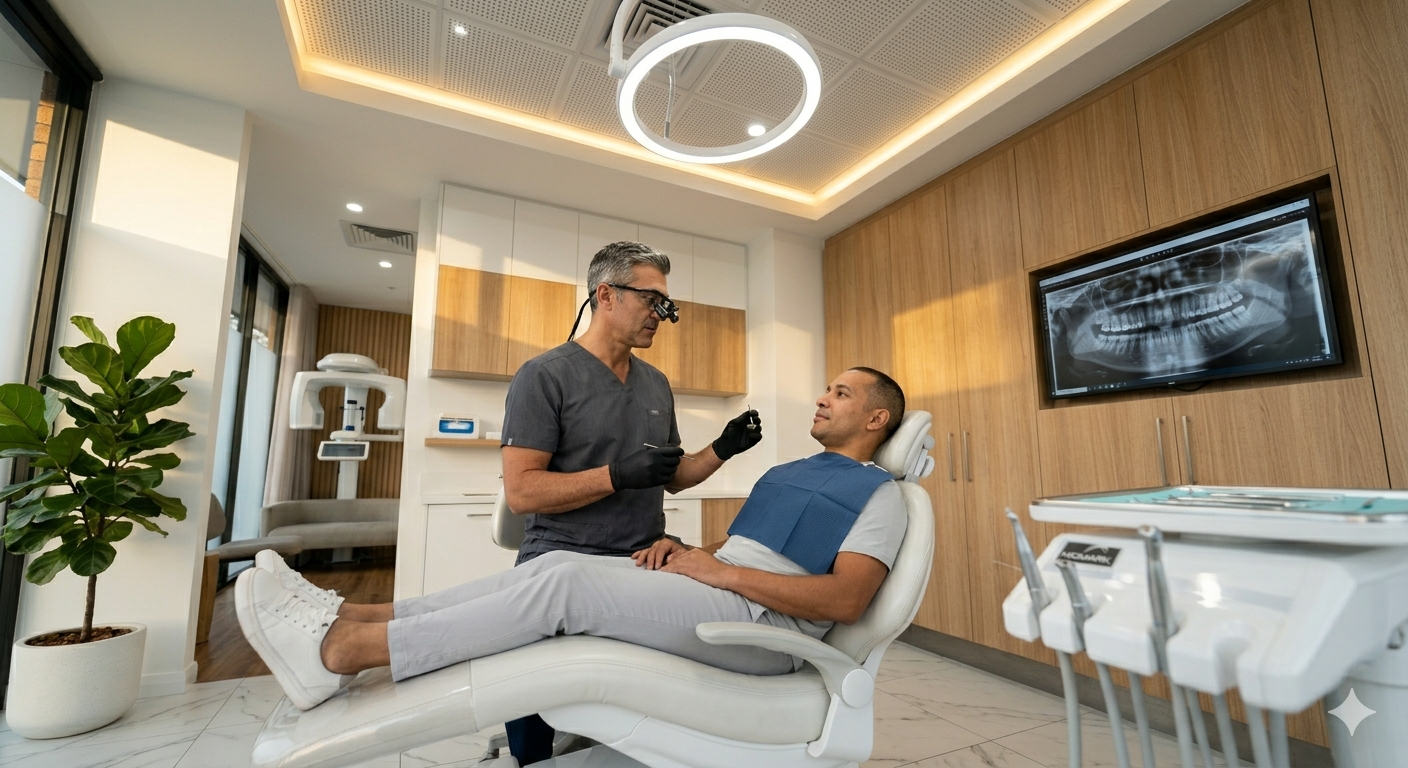
Invisalign moves teeth using a series of clear, removable aligners that are custom-made and changed every one to two weeks. The process combines digital imaging, predictable staging, and routine monitoring to achieve planned tooth movement with minimal discomfort.
Custom-Fit Clear Aligners
Each aligner is molded from BPA-free, medical-grade thermoplastic to match the patient’s current tooth positions. Aligners fit snugly over teeth and apply light, targeted pressure to specific teeth or groups of teeth; this pressure is engineered to stimulate bone remodeling so teeth shift gradually.
Attachments — small, tooth-colored resin bumps — are sometimes bonded to certain teeth to give aligners a better grip and control rotational or vertical movements. Patients wear aligners about 20–22 hours per day, removing them for eating and oral hygiene; inconsistent wear delays progress and can extend treatment time.
Aligners are exchanged in sequence, with each tray designed to advance teeth a fraction of a millimeter. Labelling and simple numbering on trays help patients follow the sequence without confusion.
Step-by-Step Treatment Process
The typical treatment begins with an initial consultation and oral exam to confirm candidacy and discuss goals. The clinician documents bite relationships, takes photos, and captures digital scans or impressions for planning.
A digital treatment plan outlines each stage of movement, estimated duration, and the number of aligners required. The patient receives the first set of aligners along with instructions on wear time, cleaning, and emergency contacts for issues like lost trays.
Follow-up visits occur roughly every 6–10 weeks in-office or virtually, where progress is reviewed and refinements are made if teeth are not tracking as planned. Toward the end of active treatment, a retention plan using clear or fixed retainers prevents relapse and secures the final tooth positions.
Digital Scanning and Treatment Planning
A handheld intraoral scanner captures a full-color 3D model of the teeth and bite in minutes, eliminating messy impressions for most patients. The scan feeds into software that simulates tooth movement across each aligner stage, creating a visual roadmap called a ClinCheck or similar treatment animation.
The clinician reviews and edits the proposed movements, specifying attachments, interproximal reduction (IPR) where needed, and sequencing to manage complex shifts. This collaborative planning lets patients preview expected results and ask targeted questions before aligners are manufactured.
Once approved, the digital file goes to a production facility that fabricates the aligners with precision. Digital records also make mid-treatment refinements faster because adjustments can be planned and printed without repeating the entire impression process.
Benefits of Choosing Invisalign
Invisalign offers a combination of comfort, aesthetics, and reduced chair time that appeals to busy adults and teens. Patients often value clear aligners for discreet treatment, removable trays, and predictable progress tracked by their Newport Beach provider.
Comfort and Convenience
Invisalign aligners use smooth, BPA-free plastic molded to each patient’s teeth, reducing the irritation common with metal brackets and wires. Aligners fit snugly and apply gentle, controlled force; patients typically report less soreness after initial adjustments compared with traditional braces.
Cleaning and oral hygiene become simpler because trays are removable. Patients can brush and floss normally, lowering the risk of gum inflammation and white-spot lesions that sometimes occur with fixed appliances. Daily routines require wearing aligners about 20–22 hours, which most find manageable with simple habits like carrying a travel case and removing trays for meals.
Appointments focus on progress checks and new tray delivery rather than frequent emergency visits. Many Newport Beach practices provide digital scans and remote monitoring, increasing convenience for those with busy schedules.
Discreet Appearance
Clear thermoplastic aligners are nearly invisible when worn, making them popular among professionals, college students, and socially active patients. The low visual impact helps patients feel confident in photos, meetings, or social events without hiding their treatment.
Custom shading and precise fit minimize reflection and edge visibility. Unlike metal braces, aligners don’t require elastic bands or colored ligatures, preserving a natural look throughout treatment. For cases requiring attachments, small tooth-colored bumps blend with the enamel and remain subtle.
Because patients can remove aligners for short periods, they control when to show their smile fully unaltered—useful for presentations, performances, or important occasions.
Fewer Office Visits
Invisalign treatment typically requires fewer in-office adjustments than traditional braces. After an initial consultation and digital impressions, patients receive multiple sets of aligners at once and change them on a prescribed schedule, often every 1–2 weeks.
Follow-up visits generally occur every 6–10 weeks to monitor progress and receive the next series of trays. Many Newport Beach providers augment these visits with virtual check-ins using photographs or apps, reducing travel time for routine assessments.
Fewer emergency visits for broken wires or loose brackets translate to less disruption for work, school, or travel. Predictable appointments and remote monitoring make Invisalign a time-efficient choice for those balancing treatment with a busy lifestyle.
Comparing Invisalign to Traditional Braces
Invisalign uses clear, removable aligners that focus on discreet tooth movement and easier oral hygiene. Traditional braces use metal or ceramic brackets and wires that can handle complex tooth and bite corrections but require more maintenance.
Key Differences
Invisalign aligners are clear thermoplastic trays worn about 20–22 hours daily and changed every 1–2 weeks. They move teeth with programmed pressure and are best for mild to moderate crowding, spacing, and some bite issues.
Traditional braces bond brackets to teeth and use archwires and elastics to apply continuous forces. Braces excel at treating severe rotations, large bite corrections, and cases requiring tooth movement that aligners may not predictably achieve.
Appearance and lifestyle differ sharply. Aligners are nearly invisible and removable for eating and brushing, which lowers dietary restrictions and simplifies oral hygiene. Braces are fixed, so patients must avoid hard, sticky foods and adopt meticulous brushing and interdental cleaning to prevent decay and staining.
Treatment monitoring and compliance matter. Invisalign relies on patient discipline; missed wear reduces effectiveness and may lengthen treatment. Braces enforce continuous wear, giving more predictable timing but often require more in-office wire adjustments.
Cost and duration vary by case complexity. Invisalign can cost similarly to braces but may require refinements. Braces sometimes finish faster for complex orthodontics, though every treatment plan is individualized.
Who Is a Good Candidate
Invisalign suits teens and adults who seek a low-profile option and can commit to wearing aligners most of the day. Candidates usually have mild to moderate alignment problems like anterior crowding, small gaps, or mild overbite/underbite that 3D treatment planning can model predictably.
Patients who grind teeth heavily, have very rotated molars, or need major vertical changes often find braces more effective. Braces work well for adolescents with erupting teeth or for cases requiring coordinated tooth movement and anchorage.
Oral health and lifestyle influence the choice. People with active lifestyles who prefer removable appliances for sports or public-facing jobs often choose Invisalign. Those with poor compliance history, extensive restorative dental work, or periodontal concerns may need braces or combined treatments under specialist care.
A consultation with an orthodontist in Newport Beach will evaluate bite complexity, dental restorations, and patient goals to recommend the most appropriate system. Patients should ask for estimated timelines, cost breakdowns, and visibility of digital treatment simulations to decide confidently.
What to Expect During Your Invisalign Journey
Patients can expect a clear timeline, frequent but simple check-ins, and practical day-to-day changes that make treatment manageable. The process moves from assessment and digital planning to wearing a series of custom aligners and routine progress reviews.
Initial Consultation Experience
The first visit starts with a focused clinical exam and a discussion of goals and expectations. The clinician reviews medical and dental history, takes intraoral photos, and captures either a digital scan or traditional impressions to create an accurate model of the teeth.
A digital treatment plan (ClinCheck or equivalent) maps tooth movements step-by-step and estimates treatment length. Patients review animated before-and-after projections and can ask about attachments, elastics, or refinements that may be needed. Providers explain costs, financing, and insurance coverage in clear terms.
The practice sets a start date and schedules the first set of aligners. Staff demonstrate how to insert, remove, and clean aligners and provide written care instructions. New patients leave with a timeline, contact info for urgent issues, and a realistic sense of daily commitment.
Day-to-Day Life with Aligners
Patients wear aligners 20–22 hours per day, removing them only to eat, drink anything other than water, and for oral hygiene. Each aligner typically advances to the next in the series every 1–2 weeks, depending on the clinician’s plan.
Eating habits return to normal because aligners are removable, but patients should avoid hot beverages while wearing them and rinse aligners after meals. A simple cleaning routine—rinsing, brushing gently, and using a recommended cleaner—keeps aligners clear and odor-free.
Initial soreness or pressure usually appears for 24–72 hours after a new tray; over-the-counter pain relief and soft foods help. Speech may briefly change; most adapt within a few days. Carry a small case and an extra aligner when traveling to prevent interruption.
Managing Progress and Results
Follow-up visits usually occur every 6–12 weeks to monitor movement and supply new aligner sets. The clinician measures progress against the digital plan and may request mid-course scans if movement deviates from expectations.
Refinements are common and achieved by ordering additional aligners or making small adjustments. If attachments or elastics become loose, patients contact the office promptly to reattach or replace them to avoid treatment delays.
Post-treatment care includes retainers—clear or bonded—to maintain alignment. The clinician outlines a retainer schedule and shows how to clean and store retainers properly. Regular dental checkups continue to monitor oral health and long-term stability.
Finding the Right Provider in Newport Beach
Selecting a provider means balancing clinical skill, patient comfort, and clear communication. Patients should look for documented Invisalign experience, modern diagnostic tools, and a practice culture that prioritizes predictable results and supportive care.
Qualities of a Trusted Invisalign Dentist
A trusted dentist will list Invisalign cases and have clear before-and-after photos of similar tooth movements, like mild crowding or bite correction. Look for providers who are Invisalign Platinum or Diamond status; those tiers indicate higher treatment volume and more complex case experience.
They should use digital scanning (iTero or equivalent) instead of traditional impressions for faster, more accurate records. Ask whether the practice creates a ClinCheck treatment plan and reviews digital simulations with patients step-by-step.
Patient comfort matters: a practice that offers nitrous oxide, soft-tissue care, and clear scheduling for refinement visits reduces anxiety. Also check for transparent pricing, financing options, and written warranties for aligner replacement and retention.
Questions to Ask Before Starting Treatment
Request specifics on the provider’s Invisalign case load: how many full-case treatments per year and examples of challenging cases handled. Ask to see a full treatment timeline for cases like yours, including average weeks in aligners, number of refinement sets, and typical appointment frequency.
Clarify technology and monitoring: will the practice use remote monitoring tools, how often will progress be assessed, and what imaging (CBCT, if needed) will be taken? Confirm who performs adjustments—whether the lead dentist oversees every step or delegates to associates.
Discuss costs and commitments: get a written estimate that breaks down diagnostics, aligner sets, refinements, retainers, and any potential ancillary work (bonding, interproximal reduction). Finally, ask about post-treatment retention protocol and follow-up schedule to protect the investment in a lasting result.
Caring for Your Smile After Treatment
Keeping a stable, healthy smile after aligner therapy depends on consistent retainer use and regular dental care. Proper retainer habits and routine visits protect alignment, oral health, and the investment made in treatment.
Retainer Use and Long-Term Results
Patients receive either a clear removable retainer or a bonded (fixed) retainer after finishing aligners. For removable retainers, wear them full-time for the first three months, then nightly indefinitely to prevent teeth from shifting. Store removable retainers in a ventilated case and clean daily with a soft brush and mild soap; avoid hot water which can warp plastic.
Bonded retainers are cemented behind the lower or upper front teeth and require extra attention when flossing. Use floss threaders or interdental brushes to clean under the wire every day. Report any bonding failure, looseness, or discomfort to the dentist promptly to avoid relapse.
Expect small, normal settling movements in the first year; retainers manage these. Bring retainers to follow-up visits for fit checks. If a retainer breaks or is lost, contact the dental office quickly—delays can lead to measurable shifting that may require retreatment.
Routine Dental Visits and Maintenance
Schedule dental checkups every six months or as recommended for cleanings and oral exams. Professional cleanings remove plaque and tartar that aligners may have masked during treatment, protecting gums and tooth enamel.
Orthodontic follow-ups should occur at intervals set by the provider—commonly at three, six, and twelve months after debonding. These visits assess retainer fit, tooth position, and occlusion, and they catch early signs of relapse.
Maintain daily oral hygiene: brush twice with fluoride toothpaste and floss once daily. Consider a soft-bristled brush and non-abrasive toothpaste to protect enamel and restorations. If grinding or clenching was present, ask about a nightguard to protect teeth and the retainer.
For questions about retainer types, replacement costs, or scheduling checks, contact the Newport Beach dental office to arrange an evaluation and personalized plan.
Understanding Treatment Costs and Financing Options
This section explains typical out-of-pocket expenses, common insurance coverages, and practical payment choices available to patients in Newport Beach. It highlights what to expect at the initial consult, how insurance usually applies, and realistic financing routes for Invisalign.
Insurance and Payment Plans
Insurance often covers a portion of orthodontic treatment, but coverage for Invisalign varies by plan. Many dental PPO plans offer orthodontic benefits up to a lifetime maximum (commonly $1,000–$3,000), while HMO plans usually exclude orthodontics. Patients should request a pre-treatment estimate from their insurer and the Newport Beach office to see exact patient responsibility.
Dental offices in Newport Beach typically accept major insurers and offer tiered payment structures: full up-front payment, split payments tied to treatment milestones, or monthly instalments. Popular third-party financing options include CareCredit and LendingClub, which provide 6–24 month no-interest plans for eligible applicants. Providers often apply insurance claims and financing simultaneously to minimize initial out-of-pocket cost.
Patients should verify deductibles, waiting periods, and age limits before scheduling. They should also ask the office about discounts for paying in full, employer benefits, or flexible spending account (FSA) and health savings account (HSA) eligibility.
Value of Investing in Your Smile
Invisalign treatment in Newport Beach commonly ranges from about $3,500 to $7,500 depending on complexity, refinements, and retention needs. This price typically includes aligners, periodic visits, and final retainers; confirm which services are bundled and which are billed separately to avoid surprises.
Beyond aesthetics, orthodontic alignment reduces abnormal wear, eases flossing and brushing, and can lower future restorative costs. Patients often find the convenience of removable aligners and fewer emergency visits adds value compared with traditional braces. Discuss long-term benefits and alternative treatments with the clinician to match outcomes to budget and lifestyle.
Providers frequently offer complimentary consultations to produce a personalized cost estimate and discuss tailored financing. Encourage scheduling a consult to get precise pricing, projected timeline, and customized payment options.
Tips for a Smooth and Successful Experience
Consistency, oral hygiene, and clear communication with the Newport Beach provider make aligner treatment predictable and comfortable. Small daily habits and timely check-ins prevent setbacks and keep treatment on schedule.
Best Practices for Wearing Aligners
Wear aligners 20–22 hours per day to meet typical treatment timelines. Remove them only for eating and toothbrushing; using a small travel case prevents loss or damage when out of the house.
Clean aligners twice daily with a soft brush and lukewarm water or manufacturer-approved cleaner. Avoid hot water, toothpaste with abrasives, and colored mouthwash that can warp or stain trays.
Use appointment reminders and set phone alarms for removal and insertion to maintain consistent wear. If an aligner cracks or feels loose, call the Newport Beach office immediately—do not switch to the next tray without professional approval.
Carry a small hygiene kit (floss, travel toothbrush, aligner case, and a travel-sized cleaner) to remove trays before meals and brush before reinserting. This reduces staining and prevents bad breath.
Staying Motivated During the Process
Track progress with photos every two weeks to see subtle changes that aren’t obvious day-to-day. Comparing images over time helps patients stay engaged and follow schedules.
Set short-term goals tied to milestones, like completing a tray set or attending a mid-treatment scan. Rewarding small wins—new sunglasses or a coffee treat—keeps motivation positive without undermining oral care.
Address discomfort early: mild soreness is normal for 48–72 hours after a new tray. Over-the-counter pain relief and soft foods help, and persistent pain should prompt a quick call to the Newport Beach clinic.
Keep appointment notes and questions handy for each visit to get efficient answers and avoid repeated explanations. Regular contact with the dental team reinforces commitment and ensures adjustments occur before problems escalate.
Taking the First Step Toward a Straighter Smile
Patients often start by scheduling a consultation to discuss goals, concerns, and oral health history. A Newport Beach Invisalign provider reviews X-rays and photos to determine if aligners suit the case.
During the visit, the clinician explains the treatment process plainly. They show how digital scans replace messy impressions and produce a precise 3D model of the teeth.
Treatment planning uses that 3D model to map tooth movements over time. This plan gives patients a visual timeline and shows estimated treatment length and number of aligners.
Many practices offer flexible financing and accept insurance, making care more accessible. Staff explain costs, payment options, and any available promotions so patients can make informed decisions.
Comfort and convenience matter; aligners are removable for eating and brushing. The provider discusses wear time expectations—typically 20–22 hours per day—to achieve best results.
After starting, patients return periodically for quick checkups and new aligner sets. The team monitors progress and adjusts the plan if needed to keep results on track.
Common concerns — discomfort, speech changes, or maintenance — get addressed with practical tips. Providers offer guidance on cleaning aligners, managing soreness, and keeping a consistent wear schedule.
If someone in Newport Beach wants to learn how Invisalign could work for them, a consultation with a trusted dental professional invites questions and next steps.
Frequently Asked Questions
This section answers practical points about candidacy, cost, timeline, comfort, TMJ concerns, and what to expect at the first visit. It gives specific actions patients can take and questions they should ask at a Newport Beach Invisalign consultation.
Am I a good candidate for clear aligners, or would braces be a better fit for my smile?
Many adults and teens with mild to moderate crowding, gaps, or bite issues qualify for Invisalign. Severe rotations, large bite discrepancies, or complex jaw alignment often require traditional braces or combined orthodontic-surgical care.
A dentist or orthodontist in Newport Beach will assess tooth movement needs, periodontal health, and any restorations. They will recommend the option that balances predictability, treatment time, and the patient’s preference for aesthetics.
How much does treatment typically cost, and what payment or financing options are available?
In Newport Beach, Invisalign treatment commonly ranges from $3,500 to $8,000 depending on case complexity and provider experience. Clear aligner packages, attachments, refinements, and retainers all influence the final price.
Most practices offer payment plans, in-house financing, or third-party options like CareCredit. Dental insurance may cover part of orthodontic care; patients should request an estimate and a benefits check before starting.
How long does treatment usually take, and what factors can make it faster or slower?
Typical Invisalign cases complete in 6 to 18 months. Simple cosmetic adjustments often take under a year, while bite corrections or sequential tooth movements take longer.
Factors that speed treatment include strict 22+ hours/day wear, good oral health, and timely compliance with aligner changes. Slower progress results from inconsistent wear, missed appointments, complex movements, or the need for attachments and refinements.
Will wearing aligners affect my speech, comfort, or daily routine in the first few weeks?
Most patients notice minor lisping for a few days to two weeks, which diminishes as the tongue adapts. Aligners can cause brief pressure or soreness after switching trays, similar to orthodontic adjustments.
Daily routines require removing aligners for eating and cleaning teeth, and wearing them during most waking hours. Keeping aligners in a protective case and cleaning them daily minimizes staining and disruption.
Can aligners help with jaw pain or TMJ symptoms, or should I consider a different approach?
Aligners can improve bite alignment, which sometimes reduces jaw strain and referral pain for mild TMJ-related symptoms. They are not a guaranteed treatment for TMJ disorders that stem from muscle dysfunction, arthritis, or disc displacement.
A thorough TMJ evaluation is essential. If joint pain, frequent locking, or popping dominate the symptoms, the practitioner may recommend a multidisciplinary plan — splints, physical therapy, or referrals to a TMJ specialist — rather than orthodontics alone.
What happens at the first consultation, and what should I bring or ask to feel fully prepared?
The initial visit usually includes a clinical exam, digital photos, X-rays or a CBCT when needed, and a discussion of cosmetic goals and medical history. Many Newport Beach offices offer 3D scans to preview potential outcomes and create a personalized treatment plan.
Bring a list of current medications, prior dental records or X-rays if available, and questions about cost, estimated timeline, and retention. Ask about expected discomfort, follow-up cadence, and who to contact for urgent issues to feel confident before starting treatment.