 (949) 644-0922
 Mon-Thu : 8:00 am - 5:00 pm
When a dental emergency strikes in Newport Beach, quick and professional care can make all the difference. Emergency dental care in Newport Beach addresses urgent issues like severe tooth pain, injuries, or sudden swelling to relieve pain and prevent further damage. Having access to a trusted local provider ensures people get the care they need without unnecessary stress.
Many might wonder what counts as a dental emergency or where to turn after hours. Experienced dentists in the area are ready to handle a range of urgent problems with gentle, modern treatments designed to comfort and heal. Knowing when and how to seek help can save both time and discomfort.
People often hesitate to seek emergency care out of fear or confusion, but the right team helps ease those worries. Whether it’s a cracked tooth from an accident or a painful abscess, experts recommend acting promptly and consulting a knowledgeable dentist for the best outcome.
Recognizing Dental Emergencies
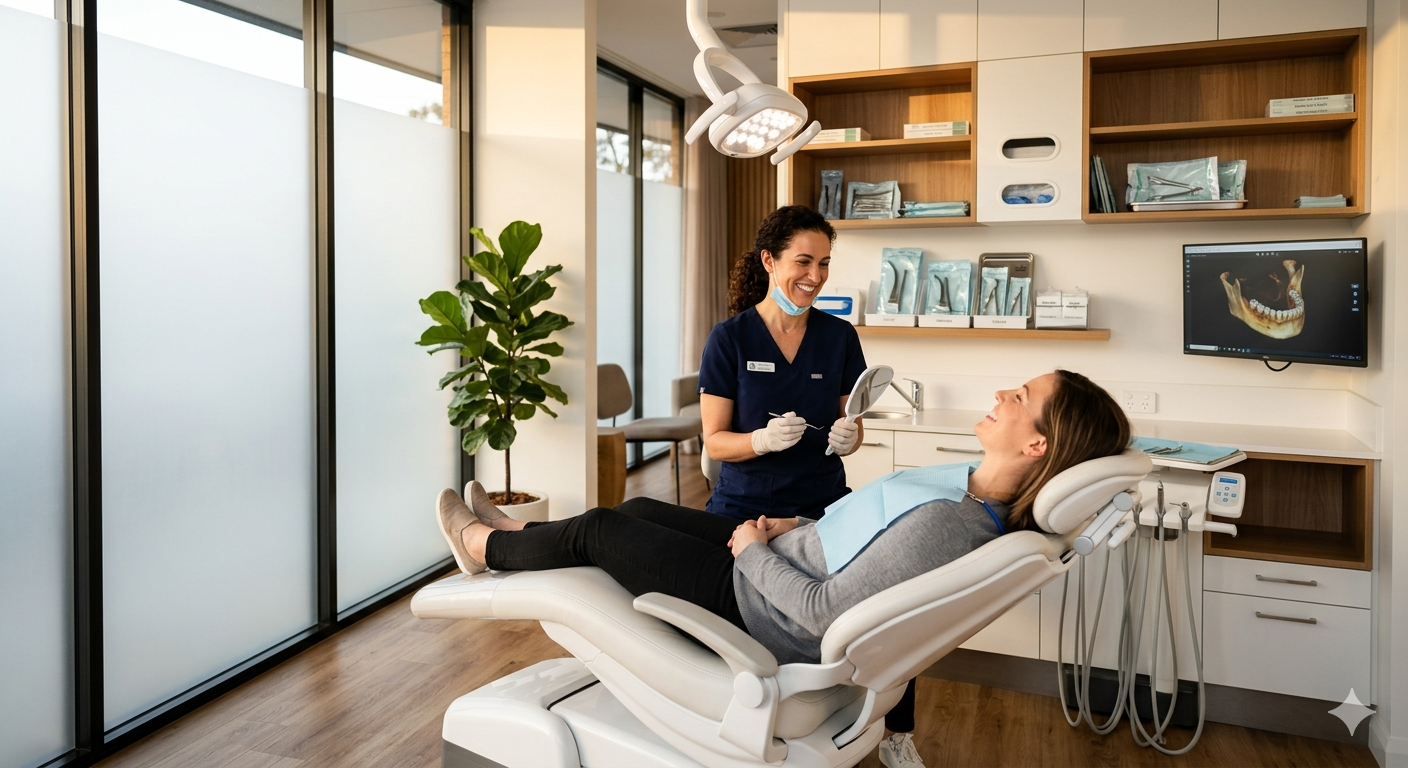
Knowing when dental issues require immediate care can prevent complications and reduce pain. Some signs clearly point to urgent treatment, while others might be managed with a routine dental visit or home care. Understanding these differences helps patients act quickly and confidently.
Common Signs and Symptoms
Severe tooth pain that does not improve with over-the-counter medication is a common sign of a dental emergency. Swelling in the gums or face, especially if accompanied by fever, indicates an infection needing prompt attention.
Other symptoms include bleeding that won’t stop, a knocked-out tooth, or a cracked tooth causing sharp pain. Sensitivity to hot or cold that suddenly becomes intense may also require emergency care. These signs usually signal conditions like abscesses, trauma, or severe decay.
Situations That Require Urgent Attention
Certain dental problems need quick intervention to save teeth or prevent infection spread. A knocked-out tooth, if treated within an hour, has a higher chance of reattachment. Deep cracks exposing the tooth pulp demand immediate care to avoid infection.
Uncontrolled bleeding after an injury, swelling that impairs breathing or swallowing, and persistent severe pain should be treated as emergencies. These situations often require same-day appointments or immediate care at an emergency dental clinic.
When to Visit the Dentist Versus the ER
A dental office is best for issues like broken teeth, lost crowns, or severe tooth pain without life-threatening symptoms. Dentists have the tools and skills to repair damage and relieve pain quickly.
Emergency rooms should be reserved for cases with heavy bleeding, jaw fractures, or injuries affecting breathing or consciousness. ER staff can stabilize critical conditions before a dental specialist takes over, ensuring patient safety in severe trauma situations.
What To Do in a Dental Crisis
Knowing exactly what to do when a dental emergency happens can make a big difference. Quick, careful action helps reduce pain and prevent further damage until professional care is available.
Immediate Steps for Tooth Injuries
If a tooth is knocked out, it’s crucial to act fast. He or she should gently pick up the tooth by the crown, not the root, to avoid damage. Rinse it briefly with warm water but never scrub it.
The tooth should be placed back into its socket if possible or kept moist by storing it in milk or saliva. Time is critical; getting to a dentist within 30 minutes increases the chances of saving the tooth.
For a cracked or fractured tooth, rinse the mouth with warm water. Applying a cold compress can reduce swelling and ease pain. Avoid chewing on the injured side until examined.
Handling Lost Fillings or Crowns
When a filling falls out, saving it isn’t necessary, but keeping the area clean is. Gently rinse the mouth with warm water and avoid eating sticky or hard foods on that side.
If a crown comes off, the patient can try to place it back temporarily using dental cement, which is available at most pharmacies. If that is not an option, keeping the crown safe and scheduling an emergency dental visit is important.
Both situations call for prompt professional care to restore protection and prevent sensitivity or decay.
How to Address Soft Tissue Injuries
Soft tissue injuries involve the gums, cheeks, tongue, or lips. For cuts or bites, rinsing with salt water helps keep the area clean and lowers infection risk. Applying pressure with a clean cloth can stop bleeding.
If bleeding is heavy or doesn’t stop after 10 minutes, seeking immediate dental or emergency room care is vital. Ice packs reduce swelling and soothe pain, but avoid direct contact with skin.
Avoid touching the injured area with fingers or tongue and refrain from eating until a dentist evaluates the injury.
Treatment Solutions Available in Newport Beach
Emergency dental care in Newport Beach focuses on relieving pain quickly, controlling infection, fixing damaged teeth, and using modern technology to speed up treatment. Patients can expect a range of tailored solutions that address their immediate needs efficiently.
Pain Relief and Infection Control
When dental pain strikes, controlling it is the first priority. Dentists in Newport Beach use local anesthesia and numbing sprays to quickly reduce pain during examination and treatment. They also prescribe pain relievers and recommend at-home care to keep discomfort manageable.
Infection control is critical to avoid complications. Emergency dentists often prescribe antibiotics if an infection is present or developing. They clean the affected area thoroughly to remove debris and reduce bacterial buildup. Patients are advised to follow strict oral hygiene during recovery to support healing and prevent further infection.
Restorative Procedures for Damaged Teeth
For teeth that are chipped, cracked, or knocked out, Newport Beach dental clinics offer several restorative options depending on the severity. Minor chips might be repaired with dental bonding, using a tooth-colored resin to rebuild shape and function.
More serious fractures or lost teeth may require crowns or dental implants. Crowns protect the remaining tooth structure while implants replace the entire tooth root and crown, providing stability and a natural look. Dentists also provide temporary restorations when needed to protect teeth until permanent treatment is possible.
Advanced Technology for Same-Day Care
Many emergency dentists in Newport Beach use advanced tools to speed up diagnosis and treatment. Digital X-rays provide quick, detailed images with less radiation than traditional methods. Intraoral cameras help dentists show patients the exact problem inside their mouths.
Some clinics offer same-day crowns made with CAD/CAM technology, allowing patients to avoid multiple visits. Laser dentistry is also used for soft tissue treatment, minimizing bleeding and speeding healing. These technologies reduce wait times and improve comfort during urgent care.
How to Choose the Right Urgent Dental Provider
Finding the right emergency dental provider means looking at their experience, availability, and how they handle urgent cases. Knowing what to expect during the visit can help ease nerves and prepare patients for quick, effective care.
Qualities of a Trustworthy Emergency Dentist
A reliable emergency dentist in Newport Beach will have credentials specific to urgent care, including advanced training in treating pain, infections, and trauma. Look for someone who offers extended hours or same-day appointments to ensure timely treatment.
Communication matters. The right dentist listens carefully, explains procedures clearly, and prioritizes patient comfort. Modern equipment and a clean, welcoming office are signs of a provider who values quality care. Reviews and referrals can also give insight into reliability and success with emergency cases.
What to Expect During Your Visit
When visiting an urgent dental provider, expect a thorough exam focused on identifying the cause of pain or injury. They often use digital X-rays to get clear, immediate images of the problem area.
Treatment varies but aims for quick relief and stabilization. This could be fixing a broken tooth, draining an infection, or providing pain management. The dentist will explain each step, making sure patients understand options before moving forward.
Aftercare instructions will be provided to help with healing and prevent further issues. Follow-up appointments might be necessary to complete more comprehensive treatment once the emergency is resolved.
Preventing Future Emergencies
Taking steps to protect teeth daily and knowing when to seek follow-up care after treatment can significantly reduce the chance of future dental emergencies. Consistent habits and timely checkups help maintain oral health and catch issues early.
Protecting Your Teeth Everyday
Daily habits play a big role in avoiding dental emergencies. Brushing twice a day with fluoride toothpaste removes plaque and strengthens enamel. Flossing once daily is essential to clean tight spaces between teeth where decay often starts.
Wearing a mouthguard during contact sports prevents chips and fractures. Avoiding hard foods like ice, popcorn kernels, or unpopped kernels reduces the risk of cracked teeth. Limiting sugary and acidic drinks lowers erosion and decay chances.
Regular dental cleanings keep gums healthy and allow dentists to spot weak spots early. Hydration also helps by encouraging saliva production, which naturally protects teeth. These steps together build a strong foundation against emergencies.
When to Schedule Follow-Up Care
After an emergency dental visit, follow-up care ensures healing and long-term success. Patients should schedule a checkup within 1-2 weeks if treated for an injury or infection.
If pain, swelling, or sensitivity continues beyond a few days, it requires prompt dental attention. Routine follow-ups every six months help catch developing problems before they turn urgent.
Dentists often recommend X-rays after trauma to check inside teeth or roots, even if no symptoms remain. Timely exams prevent minor issues from becoming painful or costly emergencies later.
Patients shouldn’t hesitate to call their dental office at the first sign of trouble. Early intervention is key to protecting smiles and avoiding repeat emergency visits.
Comfort, Compassion, and Local Care
Emergency dental situations can be unsettling, but having a team that prioritizes comfort and understanding makes a big difference. Local care ensures timely attention, while compassionate service helps ease anxiety and builds trust during urgent visits.
Supporting Patients Through Stressful Moments
Dental emergencies often cause pain and fear. The Newport Beach teams focus on creating a calm environment with gentle communication. They explain each step clearly to keep patients informed and reduce worry.
Soft voices, caring gestures, and quick pain management are key. Staff may offer distractions like music or blankets to create a sense of safety. This approach helps even nervous patients feel more relaxed and cared for during their treatment.
The Importance of Personalized Treatment
No two dental emergencies are alike, so care is tailored to fit each patient’s unique needs. Providers assess the situation carefully before deciding on the best course of action.
Options might range from simple pain relief to more complex procedures. They also consider patient comfort preferences and medical history. This customized attention increases the chances of a smooth recovery and better overall experience.
Taking the Next Step Toward Relief
When a dental emergency happens, the first step is to stay calm and assess the situation. Knowing when to seek immediate care can make a big difference in comfort and outcome. If there is severe pain, bleeding, or a knocked-out tooth, reaching out to a nearby emergency dentist in Newport Beach should be a priority.
Many dental offices offer same-day appointments for urgent cases. They focus on relieving pain quickly and preventing further damage. Patients can expect gentle care tailored to their needs, using modern techniques to restore health efficiently.
Here’s a simple checklist to follow before visiting the dentist:
- Rinse your mouth gently with warm water.
- Use a cold compress to reduce swelling.
- Avoid chewing on the injured side if possible.
- Collect any broken tooth fragments, if available.
Knowing the nearest emergency dental clinic and their hours can reduce stress during an emergency. Preparing a list of questions to ask your dentist can also help clarify the treatment plan.
Encouraging regular dental check-ups remains important. Prevention and early intervention can reduce the need for emergency visits over time.
If a dental emergency strikes, contact a trusted Newport Beach dentist without delay. Their team is ready to provide caring support and expert solutions to bring relief.
Frequently Asked Questions
Emergency dental situations can feel overwhelming, but knowing when to seek care, what to do right away, and how treatment works can make all the difference. Understanding pain management, appointment availability, and costs helps patients feel more prepared and comfortable during urgent visits.
How do I know if my tooth pain is a true dental emergency or something that can wait until tomorrow?
Severe pain, swelling, bleeding, or a knocked-out tooth usually means it’s an emergency. Mild discomfort or sensitivity is often a sign that waiting until the next day is okay. If pain worsens suddenly or is accompanied by fever, immediate care is best.
What should I do right away if I chip, crack, or knock out a tooth?
Rinse your mouth gently with warm water to clean the area. For a knocked-out tooth, try to place it back in the socket if possible or keep it in milk until you reach the dentist. Applying a cold compress helps reduce swelling and pain.
Can you treat a swollen gum or dental abscess the same day, and what does that visit usually involve?
Yes, same-day treatment is often available. The dentist will drain the abscess if needed, prescribe antibiotics, and relieve pain. Follow-up care will focus on the underlying cause to prevent recurrence.
How quickly can I be seen after hours or on weekends, and who should I call first?
Many emergency dental offices offer after-hours and weekend appointments. It’s best to call the dental office’s emergency line first to arrange urgent care. They prioritize cases based on severity and may guide you on immediate steps.
What are my options for quick, comfortable pain relief while I’m waiting to be seen?
Over-the-counter painkillers like ibuprofen are effective for reducing pain and inflammation. Avoid aspirin if bleeding is involved. Using a cold compress can also soothe the area until professional care is available.
How much does an urgent dental visit typically cost, and do you accept dental insurance or offer payment options?
Costs vary depending on the treatment needed but generally range from $150 to $500 for an exam and basic emergency care. Most clinics accept dental insurance and offer flexible payment plans to ease financial concerns. Always check ahead about coverage and fees.