 (949) 644-0922
 Mon-Thu : 8:00 am - 5:00 pm
Dental implants in Newport Beach, CA, offer a reliable way to replace missing teeth with a natural look and feel. They act as sturdy anchors placed into the jawbone, providing a foundation for crowns, bridges, or dentures that function like real teeth. This solution helps restore both appearance and chewing ability comfortably and effectively.
Many patients worry about discomfort or long recovery times, but modern implant techniques focus on minimizing pain and speeding healing. Professionals in Newport Beach use advanced technology to tailor treatments that suit each person’s unique needs, ensuring patient comfort throughout the process.
Understanding dental implants can help those facing tooth loss make informed decisions about their oral health. Experts encourage anyone interested to reach out with questions or to schedule a consultation to explore options that fit their lifestyle and oral care goals.
What Are Dental Implants?
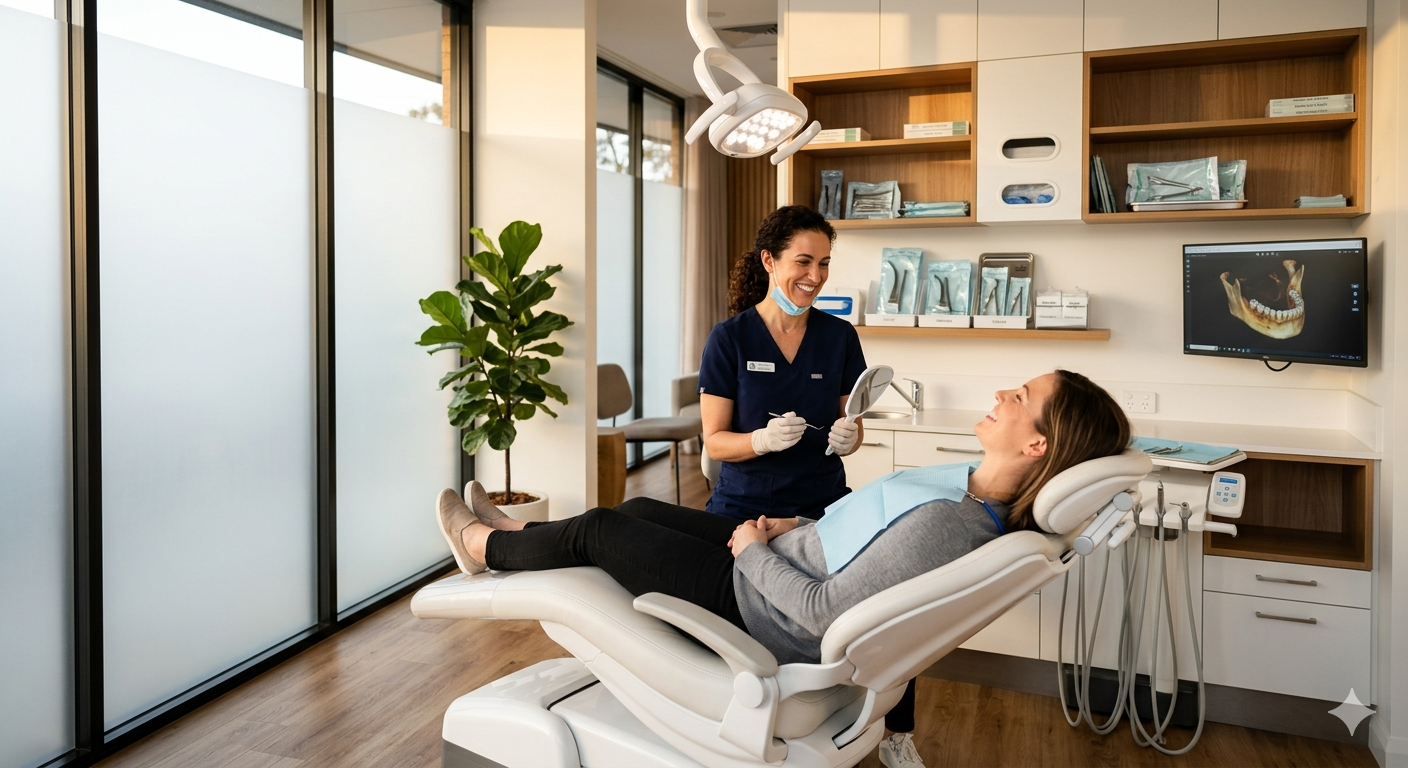
Dental implants replace missing teeth by acting like artificial roots in the jawbone, providing a stable foundation for new teeth. They involve several parts working together to restore chewing ability and improve appearance. Misunderstandings about implants often lead to unnecessary worry, but knowing the facts can help.
How Dental Implants Work
A dental implant is surgically placed into the jawbone, where it fuses with the bone over several months. This process, called osseointegration, creates a strong bond that mimics the natural tooth root. Once healed, a crown, bridge, or denture is attached to the implant.
Because implants integrate with the bone, they provide stability similar to a natural tooth. This allows for comfortable chewing and speaking without the slipping problems common in dentures. The implant also helps preserve jawbone density, preventing the sunken look caused by missing teeth.
Components of a Dental Implant
A dental implant has three main parts:
- Implant Fixture: A titanium post inserted into the jawbone, acting like a tooth root.
- Abutment: A connector piece that attaches the crown to the implant.
- Crown: The visible tooth replacement, custom-made to match natural teeth.
Each part plays a key role in function and appearance. Titanium is used for the fixture because it bonds well with bone and is durable. The abutment ensures a secure fit for the crown, which is made from materials like porcelain or ceramic for a natural look.
Common Myths About Dental Implants
One common myth is that dental implants are painful to get. In reality, the procedure is done under local anesthesia, making it comfortable. Some soreness after surgery is normal but manageable with medication.
Another myth is that implants are only for young people. Implants can work for most adults with healthy gums and jawbone, regardless of age. Bone grafts or other treatments can help if bone loss has occurred.
Some believe implants require special care. They actually need the same daily brushing, flossing, and dental check-ups as natural teeth. Regular care keeps the implant healthy and lasting for many years.
Benefits of Choosing Dental Implants
Dental implants offer several advantages that improve both the oral experience and overall wellbeing. They restore natural function and support long-term health. These benefits extend beyond just appearance, affecting confidence and quality of life.
Appearance and Functionality
Dental implants are designed to look and feel like natural teeth. They are anchored securely into the jawbone, which means they don’t shift or slip like dentures can. This stability allows patients to eat, speak, and smile with ease.
Unlike other tooth replacement options, implants maintain the structure of the jaw. This prevents the sunken look that can occur when teeth are missing. The implant crown mimics the shape and color of real teeth, ensuring a natural, seamless appearance.
Long-Term Oral Health
One of the key benefits of dental implants is their positive impact on oral health over time. Because implants integrate with the jawbone, they prevent bone loss, which preserves the face’s natural contour.
Implants don’t rely on nearby teeth for support. This means healthy adjacent teeth don’t need to be ground down or altered, preserving more of your natural tooth structure. Additionally, implants are easier to clean and maintain compared to bridges, reducing the risk of decay or gum disease.
Confidence and Lifestyle
Dental implants can boost confidence by restoring a full, attractive smile. Patients often feel more comfortable speaking in public or social settings without worry about dentures slipping or gaps showing.
Improvements extend into lifestyle choices, too. With implants, people can enjoy a wider variety of foods that might have been difficult with missing teeth or removable dentures. This encourages better nutrition and more enjoyment at mealtime.
If considering dental implants, a consultation can help determine if this solution fits your needs and lifestyle.
Who Is a Candidate for Dental Implants?
Not everyone is automatically a perfect match for dental implants, but many people find they qualify after a thorough evaluation. The right candidate needs to have good oral health, manageable medical conditions, and sufficient jawbone strength to support the implant.
Ideal Patient Characteristics
The best candidates for dental implants are adults with healthy gums and stable oral hygiene habits. Healthy gum tissue is crucial because it helps protect the implant site from infection and promotes healing.
People who do not have uncontrolled chronic illnesses like diabetes or immune disorders tend to do better with implant success. Non-smokers or those willing to quit have higher chances of positive outcomes, since smoking can interfere with implant healing.
Candidates should have realistic expectations and be committed to maintaining their dental care routine. They should understand that implants require ongoing care, much like natural teeth.
Considerations for Medical History
Certain medical conditions can affect the healing process and integration of dental implants. For example, autoimmune diseases, uncontrolled diabetes, or radiation therapy in the head and neck area may increase risks.
Medications such as blood thinners or steroids can also influence implant success and timing. Patients should disclose all medical details to their dentist during consultation to tailor the treatment plan safely.
Older age is generally not a barrier if overall health is good. Each case requires personalized assessment, ensuring the patient’s body can support the implant procedure and recovery.
Evaluating Jawbone Health
Strong jawbone density is essential because dental implants are anchored into the bone. If the jawbone is too thin or weak, the implant may fail to secure properly, causing instability.
Bone loss often happens after tooth loss or due to periodontal disease, so dentists typically use X-rays or 3D scans to check bone volume. If the bone is insufficient, procedures like bone grafting can rebuild it before implants are placed.
Assessing bone quality also helps determine the type and size of implant needed for lasting support. Adequate bone ensures the implant can withstand daily chewing forces and last many years.
The Dental Implant Procedure in Newport Beach CA
Getting dental implants involves several carefully planned steps designed for comfort and effectiveness. From the first visit to the final restoration, each phase focuses on ensuring a strong, natural-looking result tailored to the patient’s needs.
Initial Consultation and Planning
During the first appointment, the dentist evaluates oral health, bone density, and overall medical history. Digital X-rays and 3D scans help create a clear picture of the jaw structure, which guides precise implant placement.
The dentist discusses treatment options, explains the timeline, and answers questions to make sure the patient feels confident. Customized plans often include details about anesthesia and what to expect during healing. This step is about understanding the patient’s goals and setting realistic expectations for the outcome.
Implant Placement Process
The surgical procedure typically happens under local anesthesia or sedation for comfort. The dentist carefully inserts a titanium implant into the jawbone, serving as an artificial root. This process takes about 1-2 hours, depending on the number of implants and complexity.
After placement, healing begins with osseointegration, where the bone fuses to the implant. This bonding usually takes 3-6 months and ensures the implant’s stability. Patients receive clear aftercare instructions to manage discomfort and avoid infection while healing.
Restoration and Final Steps
Once the implant is secure, the dentist attaches an abutment, which connects the implant to the crown. The crown is custom-made to match the color, shape, and size of natural teeth for a seamless look.
The dentist checks the fit and bite to make any necessary adjustments. Follow-up visits help monitor healing and ensure patient satisfaction. After this stage, patients can enjoy restored chewing ability and a confident smile backed by durable dental technology.
Advanced Technology and Techniques
Newport Beach dental implant providers use the latest tools and methods to ensure precise, comfortable, and successful treatments. These advances help in accurate planning and reduce recovery time, making dental implants a smoother experience for patients.
Digital Imaging and Diagnostics
Digital imaging plays a crucial role in dental implants. Cone beam CT scans create detailed 3D images of the jawbone, allowing dentists to see the exact shape and density before placing an implant. This precision reduces risks and improves the fit of the implant.
In addition, digital impressions replace traditional molds, offering a faster and more comfortable way to capture the mouth’s layout. These images help design customized implants and crowns with pinpoint accuracy.
Patients benefit from less guesswork and clearer visuals, which makes it easier to understand the process and expected outcomes.
Minimally Invasive Options
Minimally invasive techniques focus on reducing discomfort and speeding recovery. For example, guided implant surgery uses computer models to plan the implant placement, enabling smaller incisions and less tissue disturbance.
This approach lowers the chance of swelling and pain after surgery. In some cases, implants can be placed immediately after tooth extraction, avoiding multiple procedures.
Using specialized drills and lasers also helps protect surrounding tissues and promotes quicker healing. These methods make implants more accessible and less intimidating for many patients.
Patient Comfort and Safety Measures
Dental implant procedures in Newport Beach prioritize both comfort and safety to ensure a positive experience. Patients benefit from advanced options that minimize discomfort and personalized approaches tailored to their needs.
Sedation and Anesthesia Options
Patients can choose from several sedation methods during dental implant surgery. Local anesthesia numbs the specific area, allowing the patient to remain awake but pain-free. For those feeling anxious, conscious sedation like nitrous oxide (laughing gas) helps them relax without putting them to sleep.
In more complex cases or with higher anxiety levels, oral sedation or intravenous (IV) sedation may be used. IV sedation induces a deeper state of relaxation while maintaining safety through careful monitoring by trained staff throughout the procedure. These options ensure that pain and stress are effectively managed, improving the overall patient experience.
Personalized Care Experience
Every patient receives individualized attention from the dental team in Newport Beach. Before treatment, a thorough medical history and examination help customize the implant plan to fit specific health needs and preferences.
The care team explains each step clearly, addresses any concerns, and adjusts treatments as needed. Follow-up visits focus on recovery and comfort, with clear guidance on pain management and oral hygiene. This tailored approach builds trust and helps patients feel confident throughout their implant journey.
Caring for Your Dental Implants
Proper care is essential to keep dental implants healthy and functioning well. Daily routine and regular professional check-ups help prevent complications and extend the life of the implants.
Home Care Tips
Brushing twice daily with a soft-bristle toothbrush is crucial for removing plaque from around the implant. Using a low-abrasive toothpaste helps protect the implant surface and gum tissue.
Flossing carefully around the implant is just as important. Specialized floss, interdental brushes, or water flossers can reach tight spaces without damaging the implant or gums.
Avoid hard or sticky foods that could stress the implant or crown. Drinking plenty of water and maintaining a balanced diet supports oral health overall. Quitting smoking improves healing and lowers infection risk.
Professional Maintenance Visits
Dental implants need regular evaluations by a dental professional. Typically, visits every 6 months allow the dentist to check gum health, bone stability, and implant condition.
During these visits, professional cleaning removes plaque and tartar buildup that home care might miss. The dentist may use special instruments designed for implants to avoid scratching the surface.
X-rays might be taken occasionally to monitor the bone around the implant. Early detection of issues like bone loss can lead to easier treatments.
Recognizing Potential Issues
Knowing the signs of implant problems saves time and discomfort. Persistent pain, swelling, redness, or bleeding around the implant area can indicate infection or inflammation.
If the implant feels loose or the crown shifts, it could signal implant failure or damage. Also, bad taste or odor might suggest an infection or gum disease.
At the first sign of any unusual symptoms, contacting the dentist promptly prevents complications. Early treatment helps preserve both the implant and natural tissue.
Comparing Dental Implants to Other Tooth Replacement Options
Dental implants deliver a long-lasting, natural-feeling solution, but other tooth replacements like bridges and dentures may still appeal depending on cost and individual needs. Understanding their differences helps patients make choices that fit their lifestyle and oral health.
Dental Implants vs. Bridges
Dental implants replace missing teeth by anchoring directly into the jawbone, which helps maintain bone density and facial structure. Bridges, on the other hand, use adjacent teeth as support, requiring those healthy teeth to be filed down.
Implants tend to last longer—often decades—while bridges typically need replacement or repair every 5 to 15 years. Implants also feel more like natural teeth and don’t affect neighboring teeth, reducing risk of future dental problems.
The upfront cost for implants can be higher, but many find the investment worthwhile due to durability and improved oral health. Bridges may be quicker to place and less expensive initially but can cause strain on surrounding teeth.
Dental Implants vs. Dentures
Dentures are removable and replace multiple missing teeth or an entire arch. They’re often more affordable but may feel less stable and require adjustments over time. Unlike implants, dentures can slip or cause sore spots, impacting eating and speaking comfort.
Dental implants are fixed and fuse with the bone, offering a solid, permanent fit. This stability helps patients eat a wider variety of foods without worry. Implants also preserve jawbone health, which dentures cannot do.
While dentures are less invasive upfront, dental implants provide a more natural look and feel, supporting better long-term oral health. Many patients choose implants for their convenience and ability to improve quality of life.
Meet Your Newport Beach CA Dental Implant Expert
Finding the right dental implant specialist means looking for a skilled professional who combines solid experience with genuine care. Understanding their background and treatment approach helps patients feel confident and comfortable from the start.
Experience and Credentials
The dental implant expert in Newport Beach holds advanced training in implantology, often backed by certifications from recognized organizations such as the American Academy of Implant Dentistry (AAID). With over a decade of hands-on experience, they have successfully placed hundreds of implants, ranging from single tooth replacements to full-arch restorations.
They stay current on the latest techniques and technologies through continuing education courses. This ensures patients receive precise, minimally invasive procedures that promote faster healing. Their professional credentials include a DDS or DMD degree, plus specialized post-graduate training focused on surgical and restorative implant dentistry.
Approach to Patient Care
Patient comfort and clear communication are top priorities. The expert takes time to explain each step of the implant process in simple terms, addressing any worries about pain or recovery. Advanced sedation options are available for those with dental anxiety.
Personalized treatment plans are designed to meet each patient’s unique needs, including bone health assessments and customized implant placement. Follow-up care emphasizes prevention and long-term maintenance to keep implants healthy and functional. Patients often appreciate the friendly environment that supports their journey to a confident smile.
Next Steps and Scheduling a Consultation
Once someone decides to explore dental implants in Newport Beach, the next step is scheduling a consultation with a trusted dentist. This appointment helps the dentist assess oral health, discuss goals, and explain the treatment process in detail.
During the consultation, the dentist may take X-rays or 3D scans to get a clear picture of the jawbone and surrounding structures. This information guides personalized treatment planning to ensure the best possible outcome.
Patients can prepare for their visit by making a list of questions or concerns. Topics might include the procedure timeline, pain management, or costs. Feeling comfortable and informed is key to moving forward confidently.
Here’s a quick checklist to consider before your consultation:
| Preparation Tip | Why It Helps |
|---|---|
| Note current medications | To avoid complications |
| Share dental history | Helps create a tailored plan |
| Prepare questions | Ensures all concerns are addressed |
| Bring dental insurance info | Clarifies coverage details |
Scheduling is usually flexible, with options for weekday or weekend visits. Many dental offices offer friendly reminders and easy rescheduling to fit busy lives.
Starting this conversation is the best way to learn how implants can improve smiles effectively and comfortably. Reaching out to a local dental expert is a simple, low-pressure step toward healthier teeth.
Frequently Asked Questions
Many patients want to know about costs, medical considerations, and the overall experience before choosing dental implants. Questions about who performs the procedure and how it affects daily life are common as well.
How much do dental implants typically cost in California, and what affects the final price?
In California, dental implants usually range from $3,000 to $6,000 per implant. The price depends on factors like the number of implants needed, bone grafting, and the type of restoration used. Location and provider experience also influence costs.
Am I a good candidate for dental implants if I have an autoimmune condition or other chronic health issues?
Patients with autoimmune or chronic conditions may still qualify, but careful evaluation is needed. Healing ability and medication use can impact success, so consulting with both your medical doctor and dentist is important.
What’s the difference between getting implants with an oral surgeon versus a general dentist?
Oral surgeons specialize in surgical placement of implants and often handle complex cases. General dentists may provide implants for straightforward cases and coordinate care with specialists when necessary. Both can deliver excellent results.
How long does the dental implant process take from start to finish, including healing time?
The process typically takes 3 to 6 months. This includes time for implant placement, healing, and attaching the final crown. Healing time allows the implant to fuse with the bone for a strong foundation.
Do dental implants hurt, and what comfort options are available during and after treatment?
Most patients experience minimal discomfort thanks to local anesthesia and sedation options. Swelling and soreness after surgery can be managed with over-the-counter pain relievers and cold packs.
Can dental implants help correct bite problems or improve how my teeth fit together?
Implants restore missing teeth, which can improve bite alignment and chewing efficiency. However, they don’t usually correct bite problems alone, and orthodontic treatment might be needed for major issues.